Residential Septic Services: A Practical Guide for Homeowners
For many homeowners, a septic system is easy to forget until it stops being easy to live with. That is usually how the trouble starts. A slow drain gets blamed on old pipes. A soggy patch in the yard gets dismissed as recent rain. A faint odor near the tank comes and goes, so nobody calls. Then one weekend the toilets gurgle, the shower backs up, and the yard near the drain field turns into a problem that cannot be ignored.
Residential septic systems do a quiet, essential job. They handle everything that leaves the house through sinks, showers, toilets, and laundry drains, then separate, digest, and disperse waste on site. When they are maintained properly, they can last for decades. When they are neglected, they can fail in ways that are expensive, unsanitary, and difficult to fix quickly.
Homeowners do not need to become wastewater specialists, but they do need a working understanding of septic services, what they involve, when to schedule them, and how daily habits affect the health of the system. The goal is not perfection. It is staying ahead of preventable damage.
What a residential septic system actually does
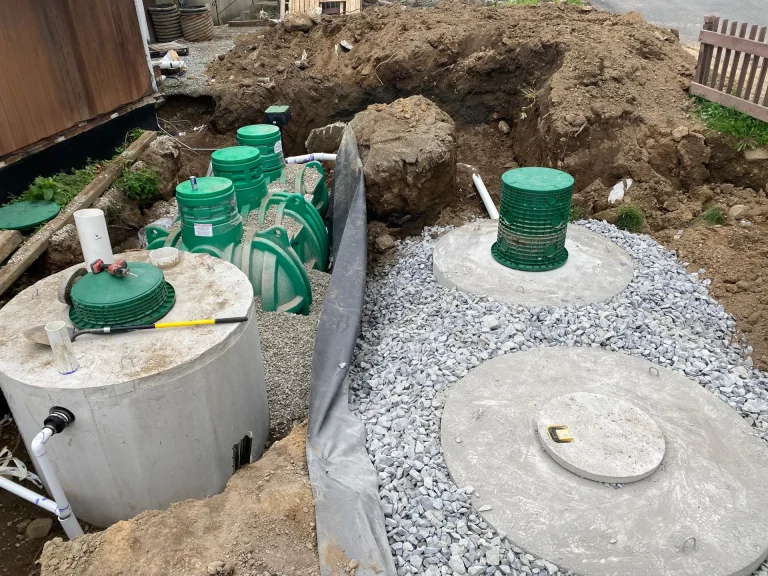
A standard residential septic system usually includes a septic tank and a drain field, sometimes called a leach field. Wastewater leaves the house and enters the tank, where solids settle to the bottom as sludge and lighter materials, such as grease and oils, float to the top as scum. The liquid layer in the middle flows out to the drain field, where https://pastelink.net/2m9h0s6u it filters through soil and receives further treatment.
That description sounds simple, but the system depends on balance. The tank needs enough time to separate solids from liquids. The bacteria inside need conditions that support breakdown. The drain field needs unsaturated soil to accept and treat effluent. Too much water, too much grease, too many solids, or a damaged component can throw the entire system off.
I have seen homeowners assume that if wastewater disappears from the sink, the system must be fine. That is not a reliable test. Septic systems often fail gradually. The tank can become overloaded long before wastewater appears indoors. Baffles can deteriorate. Outlet filters can clog. The drain field can start accepting water less effectively year by year. By the time there is sewage backup in the house, the problem has usually been developing for a while.
The core septic services most homeowners will need
Most residential septic services fall into a few practical categories: inspection, pumping, repair, and system protection. Some properties also need riser installation, filter cleaning, lid replacement, line locating, or drain field evaluation.
Inspection is where responsible ownership starts. A proper inspection does more than glance at a lid. It identifies the tank location, checks liquid levels, evaluates inlet and outlet condition, looks at baffles or tees, assesses the filter if there is one, and watches for signs of leakage or drain field stress. If a home is being bought or sold, the inspection should be more thorough, because real estate deadlines often hide serious septic issues.
Pumping removes accumulated sludge and scum from the tank. This is routine maintenance, not a sign of failure. Every septic tank fills with solids over time. If those solids are not removed, they eventually move into places they do not belong, especially the outlet side and then the drain field. Once solids reach the drain field, repairs can become much more expensive and much less predictable.
Repair work ranges from straightforward to complicated. Replacing a broken lid or damaged baffle is one thing. Repairing a crushed line, replacing a failing pump in a pressure distribution system, or rehabilitating a compromised drain field is another. Not every problem requires full system replacement, but not every drain field can be saved either. The right answer depends on the age of the system, the soil, the type of failure, and whether the issue is hydraulic overload, physical damage, or years of neglected maintenance.
Protection is the category homeowners often overlook. Installing risers so the tank lids sit near grade makes future pumping and inspection easier and cheaper. Marking the tank and field locations prevents accidental damage from landscaping or vehicle traffic. Cleaning an effluent filter on schedule helps preserve the drain field. Redirecting roof runoff away from the field can dramatically reduce saturation issues.
How often pumping really needs to happen
There is no honest one-size-fits-all pumping schedule. Tank size, household size, garbage disposal use, laundry volume, water habits, and the age of the system all matter. A two-person household with a large tank and careful habits may go longer between pump-outs than a family of five with frequent laundry loads and heavy kitchen use.
That said, many homes benefit from pumping every three to five years. Some need it closer to every two to three. Vacation homes used only part of the year may stretch longer, but they still need inspection because inactivity does not prevent component deterioration.
The safest way to schedule septic services is to match pumping to observed sludge and scum levels rather than relying on memory or a guess from the previous owner. A technician can inspect the tank and recommend an interval based on actual accumulation. That beats the common approach of waiting until something smells wrong.
One practical note many homeowners appreciate after the first service call: if your lids are buried deep and hard to access, every routine visit becomes more labor-intensive. Adding risers can save money over time and makes future maintenance less disruptive to the yard.
Warning signs that deserve prompt attention
Some symptoms point clearly to a septic issue, while others overlap with ordinary plumbing problems. The key is pattern. One sink draining slowly may be a local clog. Several fixtures acting up at once, especially on the lowest level of the house, often suggest a downstream problem.
Here are the signs worth taking seriously:
- Slow drains throughout the house, especially when paired with gurgling sounds
- Sewage odors near the tank, drain field, or basement plumbing
- Wet or unusually green patches over the drain field in dry weather
- Backup in tubs, showers, or floor drains after toilet flushing or laundry use
- Alarms from aerobic or pump-assisted septic systems
A homeowner once described his drain field as “the greenest part of the lawn, which I figured was a bonus.” It was not a bonus. In midsummer, one bright strip of grass over a field line often means nutrient-rich effluent is reaching the surface or saturating the soil more than it should.
What happens during a pumping appointment
A routine pumping visit is not glamorous, but it should be methodical. The crew locates and opens the tank, inspects the contents and structure, and removes the waste with a vacuum truck. Good technicians do more than empty the tank and leave. They check inlet and outlet condition, look for signs of root intrusion or deterioration, and note anything that could shorten the life of the system.
If the tank has an effluent filter, it may be cleaned during the visit. If there are multiple compartments, both should be evaluated. If the liquid level suggests a downstream issue, the technician may recommend additional diagnostic work rather than simply pumping and hoping for the best.
Homeowners often ask whether pumping fixes a failing drain field. Usually, no. Pumping restores storage capacity in the tank, which is important, but it does not reverse long-term soil clogging or repair a field that can no longer accept effluent. A pump-out can temporarily relieve symptoms, which sometimes gives a false sense that the problem is solved. If the field is already struggling, the improvement may not last.
Daily habits that extend system life
The health of a septic system is shaped as much by ordinary routines as by scheduled service. Water use is one of the biggest factors. Septic systems work best when wastewater enters at a steady, manageable pace. Flooding the system with multiple long showers, several laundry loads, and dishwasher cycles all on the same day can overwhelm it, especially on smaller or older systems.
Spreading water use across the week helps more than many homeowners realize. So does fixing leaking toilets and dripping fixtures. A running toilet can send hundreds of extra gallons through the system in a day. That is not a small inefficiency. It is a major hydraulic load.
What goes down the drain matters just as much. Septic tanks are not trash cans. Wipes labeled flushable, paper towels, hygiene products, dental floss, grease, cat litter, cigarette butts, and coffee grounds all create avoidable problems. Even products that technically leave the bowl can linger in the tank, clog filters, or contribute to solids buildup.
The same goes for harsh chemical overuse. Normal household cleaning is fine in reasonable amounts, but pouring paint, solvents, pesticides, or strong drain chemicals into the system is a bad bet. These substances can disrupt biological activity in the tank and introduce contaminants the system was never designed to handle.
If there is one rule that saves homeowners money over and over, it is this: treat the septic system like a piece of infrastructure, not a magic hole in the ground.
The drain field, where expensive problems tend to show up
The drain field is often the most vulnerable and costly part of the system. Tanks can be pumped. Filters can be cleaned. Lids can be replaced. A failed drain field is a bigger event.
Drain fields fail for several reasons. Solids may escape the tank because pumping was delayed too long or internal components failed. Excess water from the house can saturate the field beyond its design. Heavy vehicles can compact soil or crush piping. Tree roots can invade lines. Surface drainage from roofs or grading can keep the area too wet. Sometimes a field has simply reached the end of its service life.
One of the more frustrating scenarios for homeowners is a field that works poorly only during certain seasons. In dry months it seems fine. In spring, after heavy rain or snowmelt, the system struggles. That seasonal pattern usually points to marginal capacity. The field may not be completely failed, but it is no longer forgiving.
Protecting the drain field is simple in concept and important in practice. Do not drive or park over it. Do not build sheds, patios, or additions on top of it. Do not plant thirsty trees too close. Keep roof drains, sump discharges, and surface runoff away. A drain field needs oxygen in the soil and room to absorb effluent. Compaction and saturation work against both.
When a problem is plumbing, not septic
Not every wastewater issue is a septic issue. A clog in a branch drain, a blocked main line, or poor venting can mimic septic trouble. This is where pattern recognition and proper diagnostics matter.
If one bathroom sink is slow while the rest of the house works normally, the septic system is less likely to be the cause. If the washing machine standpipe overflows only during heavy use, the issue could be local to that line. But if the lowest fixtures in the home back up after water use elsewhere, especially with gurgling toilets, the septic system moves higher on the suspect list.
A reputable service provider will not automatically sell tank pumping as the answer to every drainage complaint. Sometimes the right first step is line cleaning or camera inspection. Other times it is tank inspection and liquid-level assessment. Good septic services start with diagnosis, not assumption.
Choosing the right company for septic services
Homeowners often call the first name that appears in search results, especially when sewage is backing up indoors. In an emergency, that is understandable. But for planned maintenance and inspections, it pays to choose carefully.
Look for a company that communicates clearly about what is included. A basic pump-out is not the same as a comprehensive inspection. Ask whether they inspect baffles, tees, and filters. Ask if they can locate the tank if records are missing. Ask what documentation you will receive afterward. If a technician recommends major repairs, ask what evidence supports that recommendation and whether further testing is needed.
A useful sign of professionalism is whether the company talks about system protection, not just immediate service. Contractors who suggest risers, explain pumping intervals, discuss water use habits, and note drain field conditions are usually thinking beyond a one-time invoice.
Price matters, but the cheapest service is not always the best value. I have seen homeowners save a little on a rushed visit, then spend much more because an early warning sign was missed. Good septic work is partly about removing waste and partly about noticing what the system is trying to tell you.
Records, permits, and the information future-you will want
A surprising number of homeowners do not know where their septic tank is, how large it is, or when it was last pumped. That missing information becomes a problem at the worst possible times, usually during a sale, renovation, or emergency repair.
Keep a simple record with pump-out dates, inspection notes, repair invoices, and any permit documents. If the tank and field locations are known, sketch them or save a marked photo of the yard. Note whether the system has risers, a filter, a pump chamber, or an alarm. This is not bureaucratic busywork. It saves time, reduces guesswork, and can prevent accidental damage during landscaping or construction.
If you are buying a house with septic, insist on more than a verbal assurance that “it was fine last year.” Systems can appear functional and still have hidden issues. A proper inspection, timed and scoped appropriately, is one of the most sensible investments in the purchase process.
Additives, myths, and common homeowner mistakes
Few topics create more confusion than septic additives. Some products promise to restore bacterial balance, reduce pumping frequency, or solve odor and drain issues. The reality is less exciting. A healthy residential septic tank already contains bacteria from normal household waste. Additives generally do not replace the need for pumping, and some products can do more harm than good by disturbing solids or introducing chemicals that do not belong there.
Another common myth is that a tank should never be pumped because “you need the bacteria.” The bacteria repopulate naturally. Pumping removes accumulated solids, which is the point. Leaving excess sludge in place does not make the system healthier. It just increases the chance that solids will escape to the drain field.
Homeowners also get into trouble by assuming a little standing water over the field is normal, or that occasional sewage odor outdoors is harmless. Septic systems should not routinely announce themselves. A brief odor during pumping is expected. Persistent odor in ordinary conditions is a signal worth investigating.
The most expensive mistake, though, is delay. Septic problems rarely become cheaper with time. A clogged filter addressed early is minor. A tank that goes too long without service can contribute to drain field damage that is far less minor.
A short homeowner checklist that pays off
If you want a practical baseline for septic care, keep it simple and consistent:
- Schedule regular inspection and pumping based on household use, not guesswork
- Spread laundry and heavy water use across the week
- Keep grease, wipes, and non-biodegradable items out of drains and toilets
- Protect the drain field from vehicles, runoff, and deep-rooted plantings
- Save service records and mark the system location for future access
These habits are ordinary, but they make a measurable difference over the life of the system.
The long view on cost and responsibility
Septic maintenance can feel like an expense with nothing visible to show for it. There is no new countertop, no fresh paint, no appliance to admire. But a healthy septic system protects far more than convenience. It protects indoor sanitation, groundwater quality, yard usability, and the value of the home itself.
Routine septic services are usually manageable. Emergency excavation, contaminated surfacing, temporary loss of plumbing, and major replacement are not. Most homeowners do not need to obsess over the system. They just need to respect it enough to maintain it before it demands attention on its own terms.
A well-cared-for septic system tends to reward boring behavior. Timely pumping. Thoughtful water use. Real inspections. Quick response to warning signs. Those habits may not be exciting, but they are the difference between a system that quietly serves the house for decades and one that fails at the exact moment guests are arriving for the holiday weekend.
That is the practical truth of residential septic ownership. The system below the yard deserves a place on the maintenance calendar, not just on the emergency call list.
Excavating New Jersey LLC
Address: 406 County Rd 565, Wantage, NJ 07461
Phone number: +19737914284
FAQ About Septic Services
What is the average cost to get a septic tank emptied?
Emptying a septic tank costs between $290 and $560 on average, with most homeowners paying about $420. Prices vary based on tank size.
What is septic service?
Septic service inspects, pumps, cleans, and maintains a septic tank. A septic tank is a large, underground container that collects and treats wastewater from your home. Over time, sludge, scum, and other debris, like hair and solids, can build up in your tank and clog your drain field.
How often should you have a septic tank serviced?
A standard septic tank should be inspected every 1 to 3 years and pumped every 3 to 5 years. However, the exact schedule depends on your tank's capacity, household size, and daily water usage.